Key Takeaways
- Complement, Don't Clone: The primary goal is to complement the groom's attire, not match it identically. Subtle differences in a waistcoat, tie, or accessories create a harmonious look.
- Plan Ahead: Start the suit selection process at least 3-4 months before the wedding to allow ample time for consultations, fittings, and tailoring.
- Fabric is Key: Choose your suit fabric based on the season. Opt for lightweight options like linen or tropical wool for summer weddings, and heavier materials like tweed or wool-cashmere blends for autumn and winter.
- Budget Accordingly: Decide early whether to hire, buy off-the-peg, or invest in a bespoke suit. Costs can range from around £170 for a rental to £1,495+ for a bespoke creation.
- Fit is Non-Negotiable: A perfectly fitting suit is paramount. Regardless of your budget, ensure your suit is professionally tailored for a sharp, polished appearance.
When it comes to selecting a best man’s wedding suit, the art lies in striking a delicate balance between your own personal style and the wedding's overarching aesthetic. The goal is always to complement the groom, not to clone his look. This is often masterfully achieved through subtle, considered differences in a waistcoat, tie, or accessories. To avoid any last-minute panic, it’s wise to start this entire process at least 3-4 months before the wedding day, giving you ample time for selection, fittings, and any necessary tailoring.
The Best Man's Suit Plan at a Glance
Being chosen as the best man is a profound honour, but it also carries significant responsibilities—not least of which is looking impeccably sharp. A well-chosen suit isn't just clothing; it's a fundamental part of fulfilling your role with confidence and style. Consider this your essential guide to sartorial success on the big day.
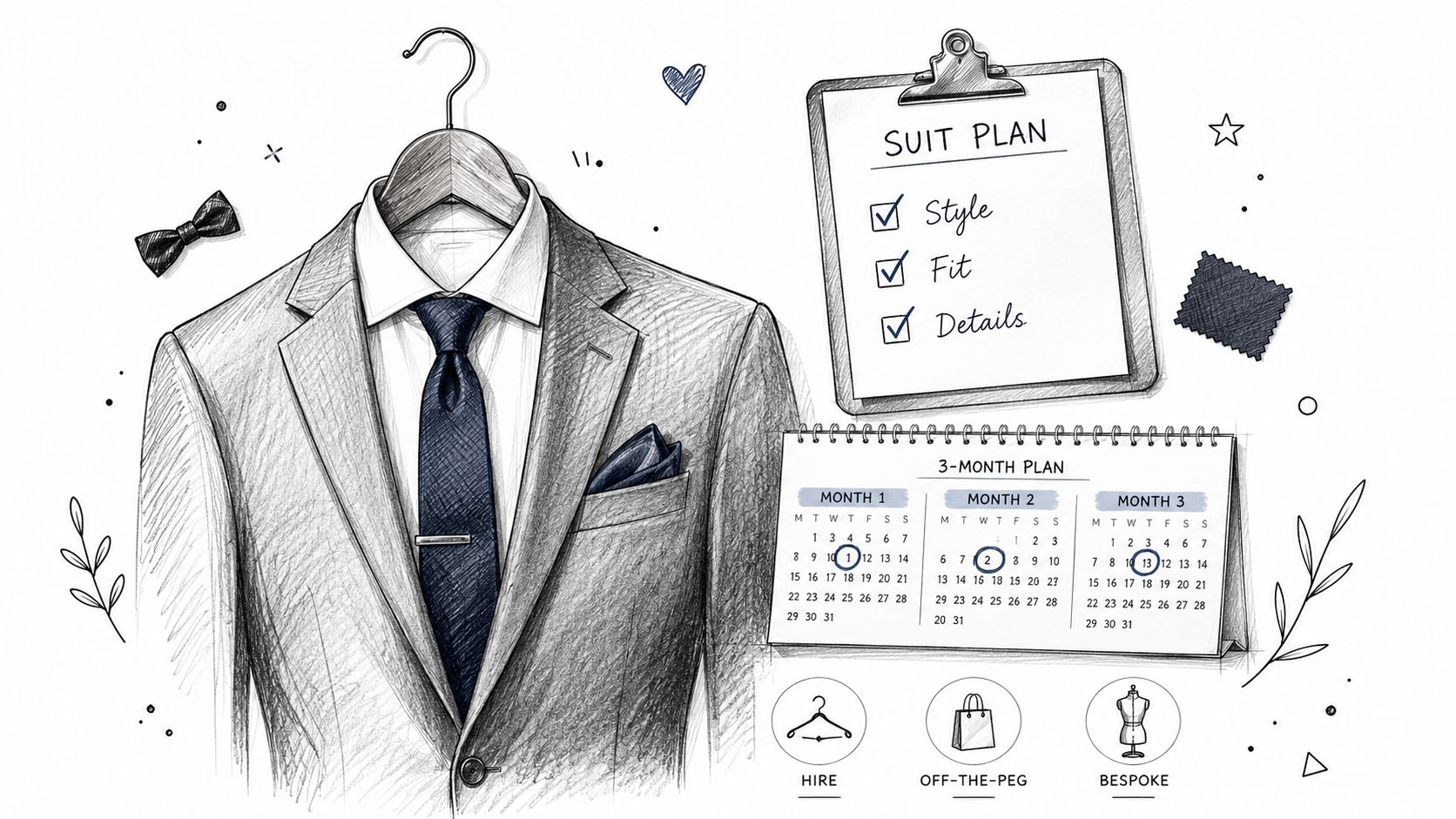
Your very first port of call should be a frank conversation with the groom. You need to understand his vision, the wedding's dress code, and how he sees the wedding party's attire coming together. Your suit must harmonise with his, creating a cohesive and polished look. This could mean wearing the exact same suit as the other groomsmen or a slightly distinguished variation.
Essentially, there are three primary routes to securing your attire:
- Hiring: This is a cost-effective choice, particularly suited for weddings with very specific themes or for a suit you’re unlikely to wear again.
- Off-the-Peg: Buying a ready-to-wear suit opens up more opportunities for personalisation, especially when refined with good tailoring. It represents an excellent middle-ground.
- Bespoke or Made-to-Measure: For a flawless fit and a garment you will treasure for years, this is the ultimate investment. You can learn more about the value of commissioning tailored suits for a wedding to fully appreciate the process.
To help you get started, here's a simplified timeline to guide you through the process.
Best Man's Suit Timeline At a Glance
| Time Before Wedding | Action Required | Key Consideration |
|---|---|---|
| 6-9 Months | Initial discussion with the groom | Understand the wedding's formality, colour scheme, and dress code. |
| 4-6 Months | Decide: Hire, Off-the-Peg, or Bespoke | Your budget, the wedding style, and your desire for a long-term wardrobe investment will guide this decision. |
| 3-4 Months | Order your suit or begin the bespoke process | This is the crucial point to commit, especially for made-to-measure or bespoke which require longer lead times. |
| 6-8 Weeks | First fitting and initial alterations | For bespoke, this is a key stage. For off-the-peg, book a tailor for any necessary adjustments. |
| 2-4 Weeks | Final fitting and collect the suit | Ensure everything fits perfectly. Try it on with your shirt and shoes. |
| 1 Week | Final check and preparation | Steam the suit and have all your accessories (tie, pocket square, shoes, cufflinks) ready to go. |
This timeline provides a solid framework, but remember to be flexible and communicate with the groom throughout.
As you piece together your sartorial plan, it’s useful to see how it slots into the grander scheme of wedding preparations. This comprehensive wedding planning resource can offer some valuable context. Ultimately, a little forward planning ensures you’ll look sharp and feel confident, ready to support the groom on one of the most important days of his life.
How Your Suit Reflects Your Role
As the best man, your suit is more than just clothing. It’s a symbol of your unique position on the day, a uniform that shows you’re the groom's most trusted man. Think of yourself as his second-in-command; your attire should be perfectly in sync with his, a clear sign of respect for the occasion and your friendship.
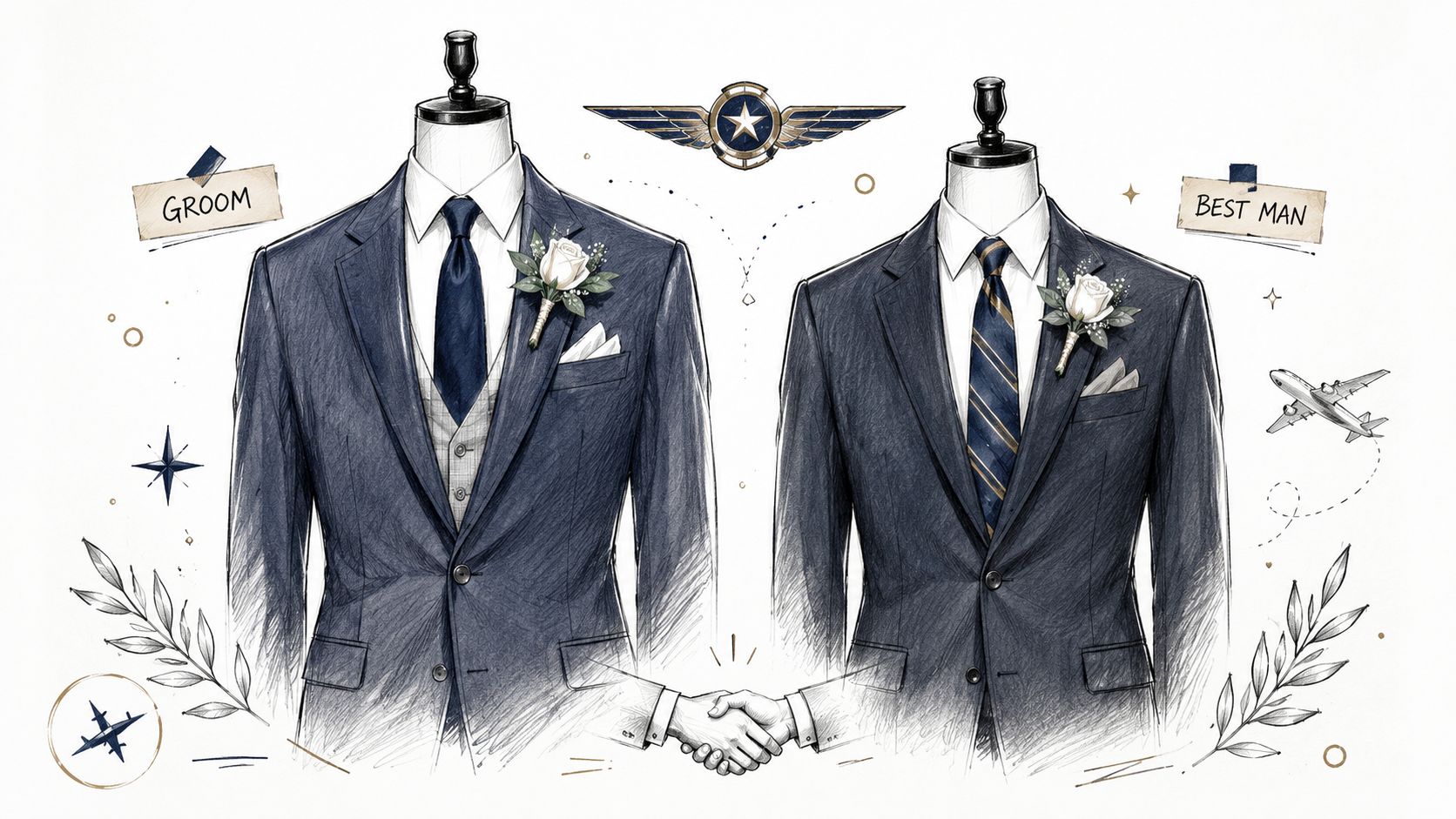
The real art of choosing a best man’s wedding suit is found in this subtle coordination. Your outfit is a visual pledge of support for the groom, creating a powerful, unified look for the wedding party. It’s a quiet statement of honour, friendship, and tradition.
This sartorial dance is all about complementing the groom, not competing with him. A skilled tailor is your best guide here, helping you navigate the nuances that honour the main man while still letting your own style come through.
Complementing the Groom
The unwritten rule is simple: frame the groom and make him the undisputed focal point. The most effective way to nail this is to work closely with him from the start. Your suit must harmonise with his in formality, colour, and overall style.
Here are a few classic ways to create that unified aesthetic:
- Identical Suits: This is the most straightforward approach. The best man and groomsmen wear the exact same suit, while the groom might distinguish himself with a different waistcoat, tie, or boutonnière.
- Colour Variation: A slightly more nuanced take. The best man could wear a suit in a shade that complements the groom's. For instance, if the groom is in a deep navy, the best man might wear a sharp mid-blue or a classic grey.
- Accessory Differentiation: Often, the suits are the same, but the groom is set apart by his accessories. He might have a more elaborate boutonnière, a unique tie colour, or a distinct pocket square.
A well-chosen suit is a non-verbal cue that says, "I am here to support him." It's a gesture of respect and a crucial part of the visual storytelling of the wedding day.
Of course, your role involves much more than just looking the part. Understanding the full scope of your responsibilities can even inform your suit choice, as detailed in this comprehensive guide for best men.
In the UK, the best man’s suit truly embodies this dual role of ceremonial honour and visual support. To get it right, we always recommend starting the planning process 3–4 months before the wedding. This gives you plenty of time for consultations and fittings, ensuring your suit fits the aesthetic of the day and, most importantly, fits you perfectly. For more on this, you can explore the role of the best man's suit on Café Costume.
Choosing the Right Suit Style and Colour
Stepping into the role of best man is about more than just planning the stag do; it's about standing in support on one of the most significant days in your friend's life. Your attire should reflect that honour. Finding the perfect suit can seem daunting, but the key is to start with the foundational elements that define any great piece of tailoring: its style and its colour. These choices are your first step toward an outfit that not only looks impeccable but also harmonises beautifully with the groom and the spirit of the wedding day.
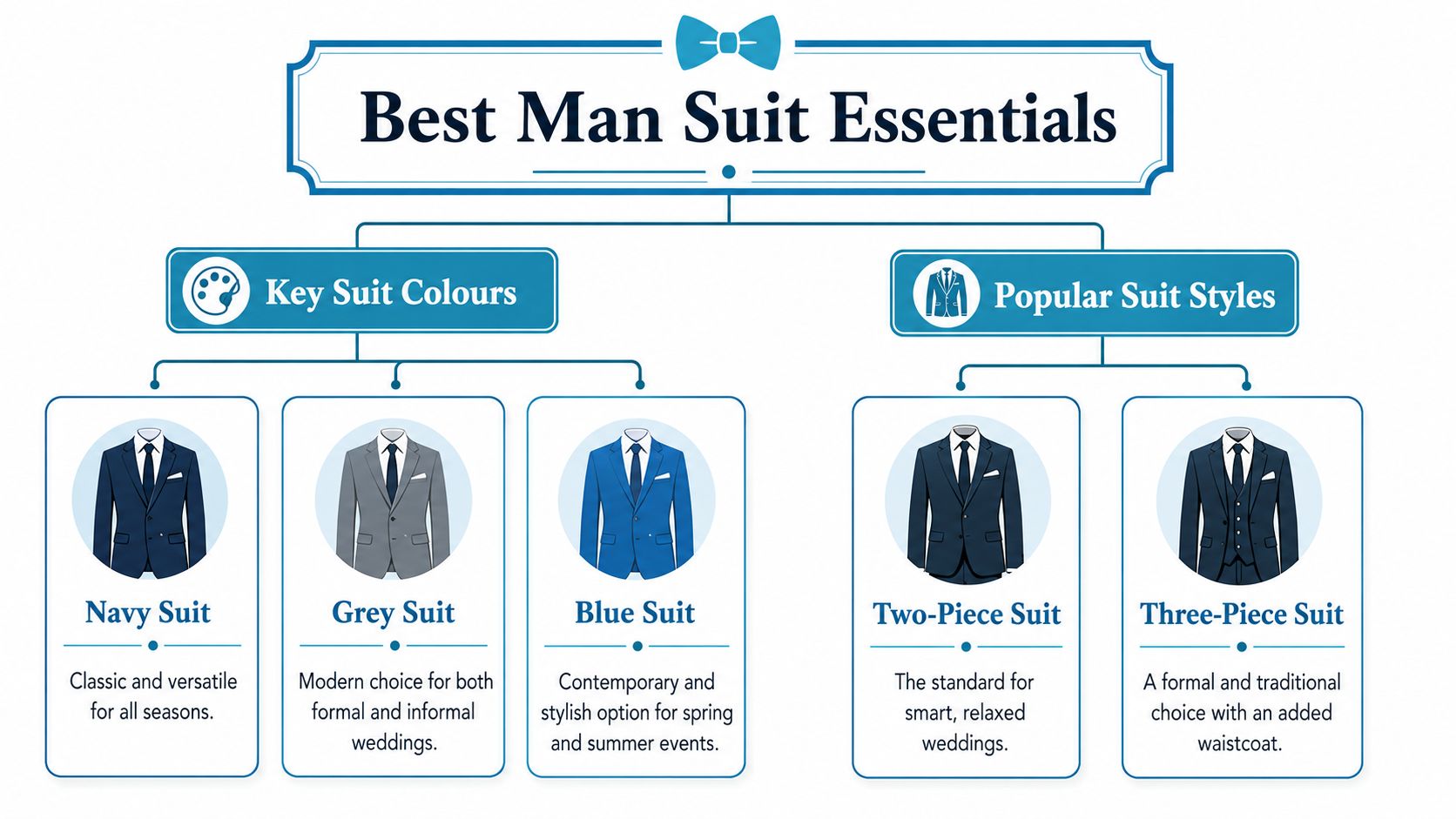
When it comes to colour for a British wedding, tradition and good taste point towards three unimpeachable choices: navy, grey, and a well-judged blue. These are the cornerstones of classic menswear for a reason. A navy suit possesses an exceptional versatility, lending a sharp, distinguished air to proceedings in any season and at almost any level of formality. It’s a choice that conveys respect and quiet confidence.
A grey suit, whether a deep, architectural charcoal or a softer, more contemporary shade, offers a sophisticated alternative. It’s a brilliant canvas for both city and country weddings, pairing wonderfully with a whole host of shirt and tie combinations. In recent years, a more vibrant blue suit has rightly become a modern favourite, particularly for spring and summer ceremonies. It allows for a touch of personality while remaining perfectly appropriate and utterly stylish.
The right colour choice acts as the foundation of your entire look. Navy and grey are the quintessential choices for a best man’s wedding suit because they are dignified, easy to coordinate, and photograph beautifully, regardless of the light.
Style: Two-Piece vs Three-Piece
With a colour in mind, your next consideration is the silhouette of the suit itself. The decision between a classic two-piece (a jacket and trousers) and the more formal three-piece (which adds a waistcoat) should be guided by the wedding's dress code and, most importantly, a conversation with the groom.
A two-piece suit is the modern standard for most smart weddings. It offers a clean, refined line that is both comfortable and effortlessly stylish. For a more relaxed, contemporary celebration where a full three-piece might feel a little too buttoned-up, the two-piece is the ideal choice.
On the other hand, the three-piece suit introduces an undeniable layer of tradition and formal elegance. The simple addition of a waistcoat instantly elevates the look, making it a perfect fit for a traditional church ceremony or a grander venue. It also has a practical charm; you can remove your jacket during the evening reception and still look impeccably turned out. Discussing different wedding suit styles with the groom is absolutely essential to ensure the wedding party presents a cohesive and polished front.
Finishing Details: Lapels and Pockets
Finally, don't overlook the smaller details. The character of your suit is often defined by its subtler features, like the style of its lapels and pockets. These are the nuances that separate a good suit from a great one.
Lapels: The most common style you'll find is the notch lapel, a versatile and universally appropriate choice for nearly any single-breasted suit. For a bolder, more formal statement, a peak lapel is the way to go. Its upward-pointing shape adds a sense of occasion and is often found on double-breasted jackets and bespoke creations.
Pockets: Flap pockets are the traditional standard and perfectly suitable. However, for a sleeker, more formal appearance often seen on dinner jackets, consider jetted pockets, which are simply thin slits without a flap.
These elements work in concert, creating a polished and considered outfit that truly honours your important role on the day.
Selecting the Perfect Fabric for the Season
Choosing the right fabric for a best man’s suit is about much more than just style; it’s a practical decision that will dictate your comfort from the morning preparations right through to the last dance. Think of it this way: the material is the foundation of your comfort. Picking the right one ensures you look sharp and feel composed, regardless of what the weather or a packed dance floor throws at you.
For spring and summer weddings, your main adversary is the heat. You need a suit that breathes. Lightweight fabrics are your best friend here, allowing air to circulate and keeping you cool even when the sun is beating down or the marquee gets a little warm.
- Linen: The undisputed king of summer fabrics. Linen is exceptionally light and breathable, with a naturally relaxed texture that’s perfect for beach ceremonies or rustic countryside weddings. It’s got character.
- Lightweight Wool: Don’t be fooled by the name. A high-twist or tropical-weight wool is a surprisingly brilliant choice for the heat. It resists creasing far better than linen, making it a more polished option for a formal summer affair without sacrificing comfort.
Autumn and Winter Fabric Choices
As the days get shorter and the air turns crisp, your focus should shift to fabrics that offer warmth, a richer texture, and a bit more heft. These materials add a sense of occasion and depth that’s perfectly suited to autumn and winter celebrations.
Tweed is a classic choice for the colder months. It’s a durable, warm woollen fabric with a distinctive, textured appearance that feels right at home at a country estate wedding. For the ultimate in warmth and luxury, you can’t go wrong with a heavier wool or a wool-cashmere blend. These fabrics provide fantastic insulation and have a soft, elegant drape that’s ideal for a formal winter black-tie event.
Mohair, a fabric made from the hair of the Angora goat, is a truly brilliant year-round option. It has a subtle sheen and is remarkably durable. Crucially, it breathes well in the summer yet provides warmth in winter, making it one of the most versatile and intelligent choices for a best man’s wedding suit.
The infographic below offers a bit of inspiration, showing how some of these fabrics pair with timeless colours and styles.
Here in the UK, we have a strong appreciation for quality materials, with a real preference for British-made fabrics that promise both longevity and comfort. For 2026, we’re seeing enduring favourites like navy wool, grey cashmere, and even blue linen holding strong. In fact, in the world of bespoke tailoring, British materials such as tweed and fine wools account for over 60% of fabric choices for best man suits.
If you’re keen to dive deeper into the unique qualities of these materials, our guide on the best fabrics for suits is the perfect place to start. It breaks down how different cloths can be tailored to your specific needs.
Budgeting for Your Best Man Suit
Alright, let's talk about the practical side of things: the budget for your best man suit. This is often the biggest factor in deciding whether you'll hire, buy off-the-peg, or commission something truly special. Each path has its own balance of cost, convenience, and the sheer pleasure of wearing a great suit.
Hiring is a straightforward and often economical choice, particularly if you don't see yourself wearing the suit again. Buying off-the-peg, however, gives you a lasting garment. With a few skilled alterations, its fit can be dramatically improved, offering a fantastic middle ground.
Understanding the Investment Tiers
For many, the numbers are what will steer the ship. In 2026, hiring a complete three-piece outfit for the day will typically set you back between £170 and £220. If you're looking to purchase, a good quality suit from a mid-to-high-end retailer will usually fall in the £250 to £400 range.
Then there's the top tier: a fully bespoke suit. For a truly personal experience from a specialist like Dandylion Style, prices for a two-piece begin at £1,495. While the initial figure is higher, the value extends far beyond a single day.
A bespoke suit is more than just a purchase for a single day. It's an investment in a perfectly fitting garment, crafted to your exact measurements, which you will own and wear with pride for many years to come.
Commissioning a bespoke or made-to-measure suit really is the pinnacle of sartorial investment. You're not just buying a suit; you're investing in superior materials, a flawless fit tailored to your physique, and a piece you will own and treasure. We offer a more detailed look at this on our guide to how much a tailored suit costs, which helps clarify the long-term value.
Ultimately, the right choice is the one that feels comfortable for both your wallet and your desire for a lasting piece. And don't forget, beyond the suit, you'll want to set aside a little something for a thoughtful gift for the groom. For a few ideas, you might find inspiration by unraveling men's robe comfort and other gift guides. It’s all part of covering every aspect of your best man duties with style.
Frequently Asked Questions
Should the Best Man's Suit Match the Groom's?
Not necessarily. The goal is coordination, not cloning. Often, the groom will wear something unique—like a different waistcoat or tie—to stand out. The best man and groomsmen may wear identical suits to create a cohesive look that frames the groom. It is essential to discuss the vision with the groom, as his preference is what matters most. A good tailor can then help create subtle distinctions that ensure the entire party looks sharp and harmonious on the day.
What are the Most Common Mistakes to Avoid When Choosing a Suit?
The most frequent errors are poor timing, accepting an ill-fitting suit, and upstaging the groom. Start your suit-planning process at least 3-4 months in advance to avoid last-minute stress. A poor fit is the fastest way to ruin your look, so prioritise professional tailoring. Lastly, your role is to support, so choose a classic and elegant suit that complements the groom’s attire rather than competes with it. Stick to timeless colours and styles unless instructed otherwise.
Can I Wear a Suit I Already Own for the Wedding?
This depends entirely on the wedding’s dress code and the groom’s wishes. For a less formal wedding, a classic, well-fitting suit you own (like a navy or charcoal two-piece) might be appropriate. However, you must confirm with the groom first, as he may envision the entire wedding party in matching attire. If you do get the go-ahead, ensure the suit is professionally dry-cleaned and pressed for the occasion so you look your absolute best.
Who Traditionally Pays for the Best Man's Suit?
Customarily, the best man and groomsmen are responsible for the cost of their own wedding attire, whether they are renting or purchasing. Sometimes, a particularly generous groom might offer to contribute towards the suits as a gesture of thanks. To prevent any misunderstanding, it is crucial to have a clear and open conversation about budget and expectations with the groom early in the planning process. This ensures everyone is on the same page from the beginning.
About the Author
Igor Dobranic is the founder and master tailor of Dandylion Style, a bespoke tailoring house based in West Sussex. With a deep-rooted passion for gentlemen's tailoring, Igor focuses exclusively on craftsmanship, using fine British fabrics like tweed, cashmere, and wool. He provides a personal and approachable service, guiding clients through every step of the commission, often in the comfort of their own home or office in Sussex, London, and the South East. You can learn more about Igor Dobranic and his dedication to creating unique, perfectly fitting garments.
At Dandylion Style, we specialise in creating perfectly coordinated, elegant wedding attire that honours your role. Book a consultation to begin your bespoke journey.