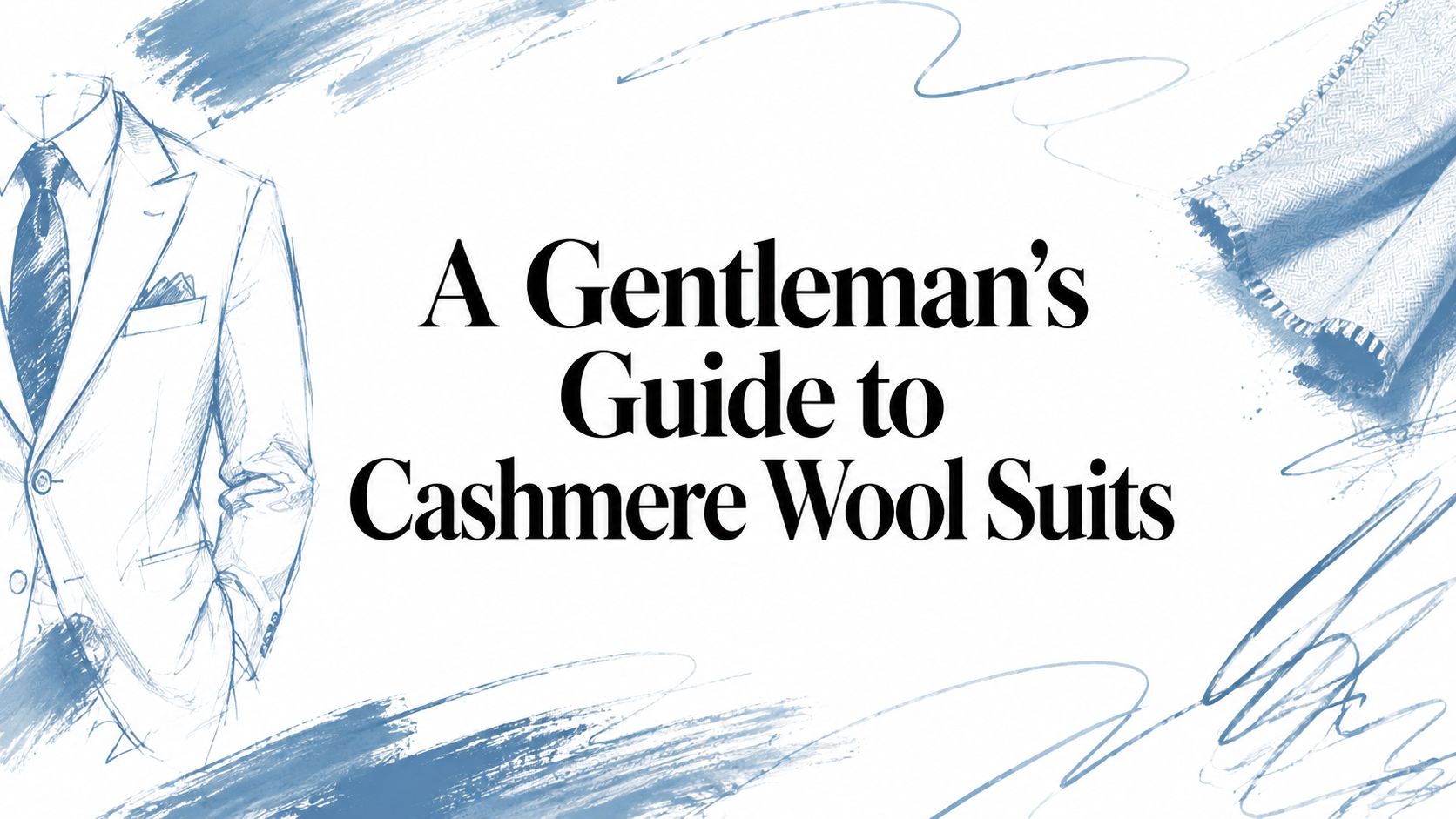
When a gentleman seeks a suit that marries the exquisite softness of pure luxury with the resilience needed for a life well-lived, he inevitably arrives at the cashmere and wool blend. This isn't a compromise; it's a masterful solution, blending the unparalleled touch of cashmere with the steadfast structure of wool to create a garment that is as comfortable to wear as it is commanding to behold.
Key Takeaways
- Superior Blend: Cashmere wool suits combine the luxurious softness and warmth of cashmere with the durability, structure, and wrinkle resistance of wool, offering the best of both worlds.
- Seasonal Excellence: This blend is the perfect choice for autumn, winter, and cooler spring days, providing exceptional warmth without adding bulk.
- Bespoke is Best: The full potential of a cashmere wool blend's drape and feel is only realised through expert bespoke tailoring, which customises the fit and construction to your exact needs.
- Versatile Styling: A cashmere wool suit is highly versatile, easily styled for formal boardroom settings, elegant winter weddings, or broken into separates for sophisticated smart-casual looks.
- Smart Investment: Though a premium choice, a bespoke cashmere wool suit is a durable and long-lasting investment in personal style and comfort, justifying its cost through years of impeccable service.
Why Cashmere and Wool Are a Perfect Match
Let's talk about the alchemy behind a cashmere wool suit. Think of it like building a luxury motorcar; you need both graceful refinement and robust power. In this fabric blend, cashmere is the sophisticated, soft-purring component, providing that unmistakable luxurious feel and superb insulation.
Wool, on the other hand, is the robust chassis. It brings the critical structure, resilience, and wrinkle resistance that a gentleman’s suit needs to perform, day in and day out. This partnership results in a cloth with a beautiful drape, a subtle lustre, and a ‘handle’—the technical term for its feel—that is truly exceptional.
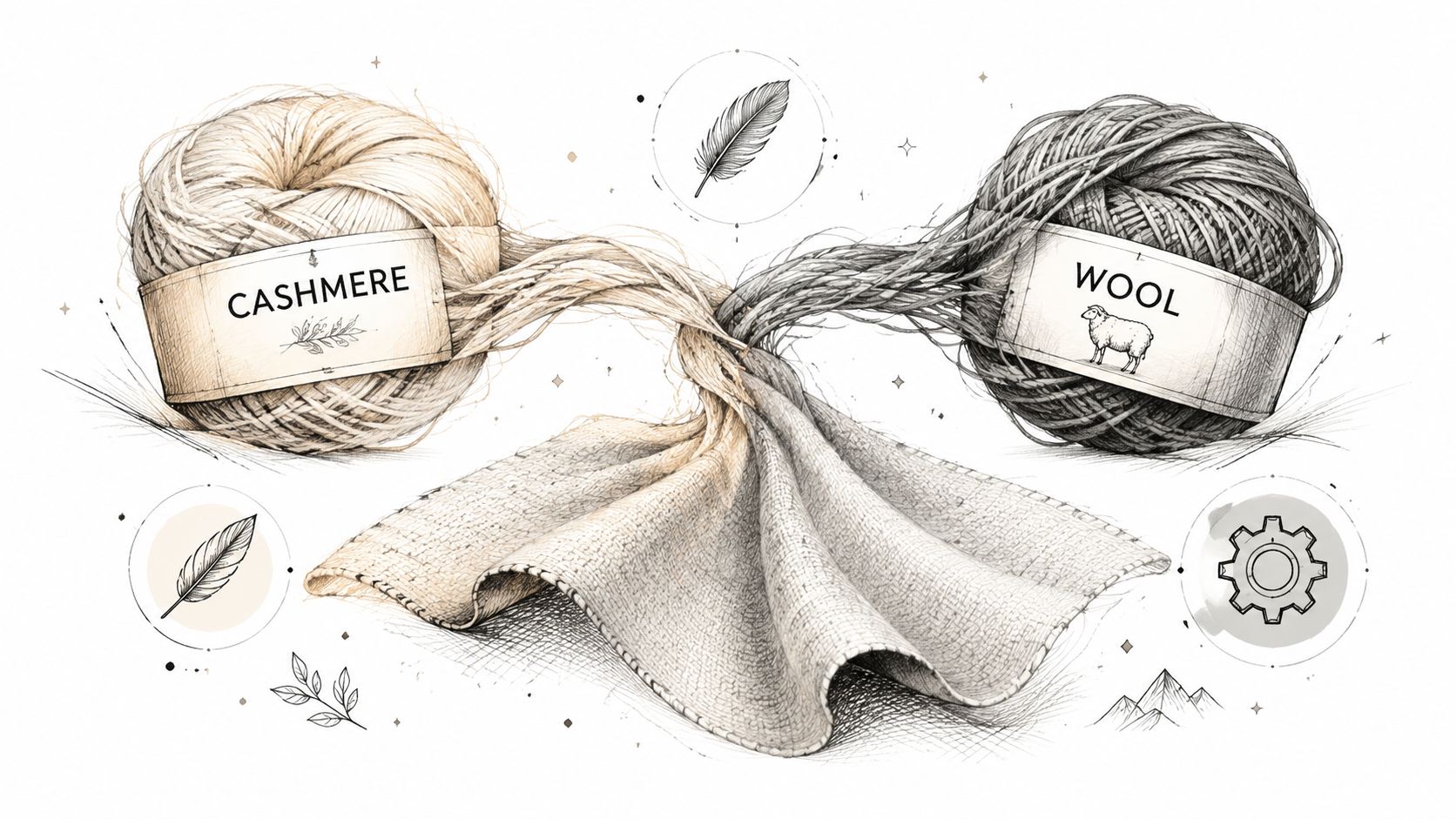
The Harmony of Fibres
The real magic is in how these two fibres compensate for each other’s limitations. While pure cashmere is the absolute pinnacle of softness, it can be too delicate for the rigours of a daily-wear suit. It’s prone to pilling and lacks the ‘memory’ to bounce back from creases on its own.
Conversely, while many wools are durable workhorses, they simply can’t offer the exquisite softness and warmth that define true luxury. By blending them, tailors create a cloth that captures the very best of both worlds.
The cashmere provides the incredible softness and warmth, while the wool ensures the suit maintains its shape and durability. It’s a perfect symbiotic relationship in textile form.
This synergy makes the blend incredibly versatile. You get a fabric that is not only warm and comfortable but also strong enough to be tailored into a structured garment that will last for years.
A Legacy of British Luxury
The appeal of this blend is deeply rooted in British sartorial history. Cashmere became a recognisable marker of luxury in Britain during the 19th century, when elite European demand for fine outerwear moved the fibre from a regional craft into a status fabric. For British tailoring, its softness, drape, and insulation made it ideal for autumn and winter dressing, where both fluctuating temperatures and formal occasions justify a more substantial cloth.
The process of blending these fibres is meticulous. Millers must select fibres of complementary fineness and length to ensure a smooth, consistent yarn. A typical luxury blend might contain 10-20% cashmere; this is the ‘sweet spot’ that imparts noticeable softness and lustre without compromising the wool's structural integrity. You might also be interested in our guide on the differences between cashmere and pashmina, another luxurious fibre from the same region. This careful composition is what makes cashmere wool suits a superior choice, offering a tangible upgrade in comfort and appearance over a standard wool suit.
How Bespoke Tailoring Unlocks True Potential
A cashmere wool blend in the hands of an average suit maker is a missed opportunity. In the hands of a master tailor, however, it becomes something else entirely: wearable art. The unique weight and drape of this luxurious fabric demand an expert’s touch to truly shine, transforming it from mere cloth into a second skin.
This isn’t just about taking measurements; it’s a collaborative art form. The bespoke consultation is where the journey begins. It's a detailed conversation between you and your tailor, exploring not just your measurements, but how the finished garment needs to perform in your life.
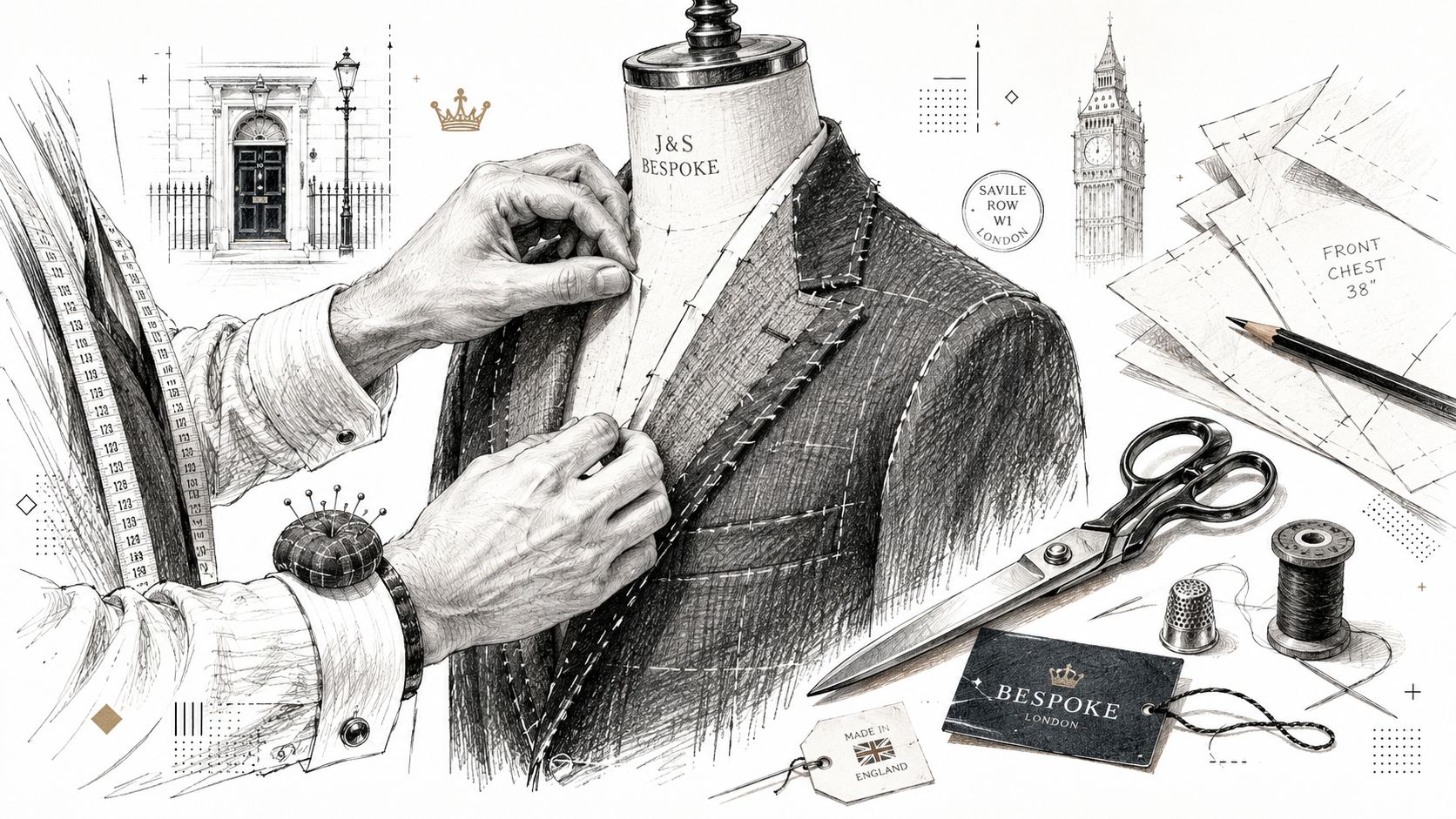
The Critical Decisions in Bespoke Craftsmanship
The process involves a series of critical decisions that go far beyond a standard pattern. Each choice is a deliberate step toward perfecting the final garment, ensuring it aligns with both your body and your lifestyle. Key considerations include:
- Fabric Weight: Are we crafting a robust winter overcoat? Then a heavier blend, around 350g, provides the necessary structure and warmth. For a three-season suit jacket, a lighter weight is far more appropriate.
- Lining Selection: A breathable silk or cupro lining is non-negotiable. It complements the natural properties of the cashmere and wool, ensuring absolute comfort without adding unwanted bulk.
- Construction Method: Full-canvas construction is the gold standard for a reason. It allows the fabric to drape and settle naturally, moulding to your shape over time for a fit that simply can’t be replicated.
This meticulous level of detail is the very definition of sartorial excellence. You can learn more about the bespoke tailoring process and what truly sets it apart from made-to-measure.
Rooted in British Tailoring Tradition
This exacting approach is part of a long and storied heritage. For more than 150 years, wool has been the undisputed king of Savile Row, cementing natural fibres at the very heart of British suit-making. Cashmere entered this tradition as a refinement in the 19th century, a response to clients who sought superior comfort without sacrificing an ounce of structure.
A suit cut from a cashmere blend is not just a seasonal garment; it's a piece rooted in the system that made wool the benchmark for generations. For more context, you can explore the history of wool in British tailoring.
A bespoke cashmere wool suit is the result of countless small decisions made correctly. It is a testament to the idea that true luxury lies not in the label, but in the collaborative creation of something truly personal and perfect.
With a master tailor, the fabric's soft handle is preserved, its structure is enhanced, and its potential is fully realised. The final suit feels less like clothing and more like a natural extension of the wearer—a hallmark of true British craftsmanship.

A great suit is an investment in your personal brand, and a bespoke cashmere wool suit is perhaps the most eloquent statement you can make. Its unique combination of luxurious texture and structured drape gives it a remarkable ability to transition across the entire spectrum of social and professional settings. Here’s how to style it with confidence, drawing on timeless British sartorial principles.
For the boardroom, the objective is to project a quiet, unshakeable authority. A sharp, impeccably tailored two-piece suit in a classic navy or charcoal grey is the foundation of professional polish. The subtle lustre that the cashmere brings to the wool blend elevates the entire look beyond a standard worsted, signalling an appreciation for quality without a hint of ostentation.
The Professional Ensemble
To complete the boardroom look, the focus must be on refined pairings that honour the suit's inherent quality. These elements work in harmony to create an impression of quiet competence and polish.
- Shirt: A crisp white or pale blue poplin shirt provides a clean, sharp canvas against the rich texture of the suit.
- Footwear: Polished black or dark brown leather Oxfords are, and will always be, the gold standard for formal business attire.
- Accessories: A silk tie, whether in a subtle pattern or a solid, rich colour, adds the final touch of considered sophistication.
From Celebratory to Smart Casual
When the occasion calls for celebration, such as a winter wedding, a cashmere-wool suit truly comes into its own. A three-piece ensemble in a rich mid-grey or a deep, festive blue exudes an air of refined elegance. The waistcoat adds a traditional layer of formality, while the luxurious fabric ensures you remain comfortable throughout the day's events.
The true versatility of a cashmere-wool suit is revealed in its ability to be deconstructed. By separating the jacket and trousers, you unlock a world of smart-casual possibilities, extending the garment's utility far beyond formal occasions.
For a sophisticated business-casual look, the suit jacket can be worn as a standalone blazer. Pair it with well-cut flannel trousers, smart chinos, or even a fine-gauge merino wool turtleneck for a modern, stylish effect. This approach maintains a sense of structure and refinement while feeling decidedly more relaxed. You can learn more about how to elegantly combine a suit jacket with a turtleneck for a contemporary yet timeless look.
The suit trousers are equally adaptable and can be worn separately with a casual sports coat or a high-quality piece of knitwear. This adaptability ensures your investment pays dividends across your entire wardrobe, cementing the cashmere wool suit as a true cornerstone of versatile, enduring style.
Choosing the Right Suiting Fabric for You
When commissioning a suit, one of the most fundamental decisions you’ll make is the choice of fabric. This isn't merely a technical detail; it’s about defining the very character of your garment. The debate between pure wool, a cashmere-wool blend, or pure cashmere is a classic one, and the right answer depends entirely on your needs.
Think of it as a spectrum of tailoring excellence. On one end, you have pure wool, the undisputed workhorse of the sartorial world. It is fantastically durable, holds its shape with integrity, and offers a crisp structure that is the very foundation of a sharp suit. Yet, for all its merits, even the finest wool can't quite capture the sublime softness that is the hallmark of cashmere.
At the other end of the spectrum is pure cashmere. Wearing it is an indulgence, an experience of unparalleled softness and luxury. However, this luxury comes at a price beyond the tag. Its delicate nature makes it more prone to pilling and losing its shape, rendering it less practical for a suit destined for regular rotation in your wardrobe.
The Balanced Excellence of a Blend
This is precisely where the cashmere-wool blend makes its case. It’s not a compromise; it’s a masterstroke of fabric engineering, artfully combining the finest qualities of both fibres while cleverly mitigating their respective weaknesses.
- Softness and Comfort: The introduction of even a small amount of cashmere, often as little as 10%, dramatically elevates the fabric's handle. It gains a buttery softness and a subtle lustre that pure wool simply cannot replicate.
- Durability and Structure: The wool provides a robust and resilient backbone. It ensures your suit resists wrinkles, retains its tailored silhouette, and can confidently handle the rigours of a gentleman’s life.
- Cost-Effectiveness: The blend offers a very real taste of cashmere’s luxury at a more accessible price. This makes it an intelligent and attainable investment for a high-performance garment.
This table breaks down how the key attributes compare across the three options.
Suiting Fabric Comparison
| Attribute | Pure Wool | Cashmere-Wool Blend | Pure Cashmere |
|---|---|---|---|
| Softness | Good to very good, but with a crisp feel. | Excellent, noticeably softer and plusher than wool. | Supreme, the ultimate in softness and comfort. |
| Durability | Excellent, highly resilient and long-lasting. | Very good, wool provides strength and shape retention. | Fair, more delicate and prone to pilling. |
| Warmth | Very good, provides excellent insulation. | Excellent, cashmere adds superior warmth without bulk. | Exceptional, incredibly warm for its light weight. |
| Drape | Excellent, holds a structured and tailored line well. | Superb, fluid drape with a soft, luxurious fall. | Excellent, very fluid but can lack structure. |
| Wrinkle Resistance | Excellent, naturally springs back into shape. | Very good, holds up well to travel and wear. | Good, can be more prone to creasing than wool. |
| Price | Accessible to premium, depending on quality. | A premium over wool, but less than pure cashmere. | Very high, a significant luxury investment. |
Ultimately, the cashmere-wool blend stands out as a sophisticated and practical choice, delivering a tangible upgrade in luxury without sacrificing the everyday resilience a gentleman requires.
The infographic below beautifully illustrates how a single cashmere-wool suit can be styled for completely different worlds—from the boardroom's quiet authority to a winter wedding's celebratory elegance.
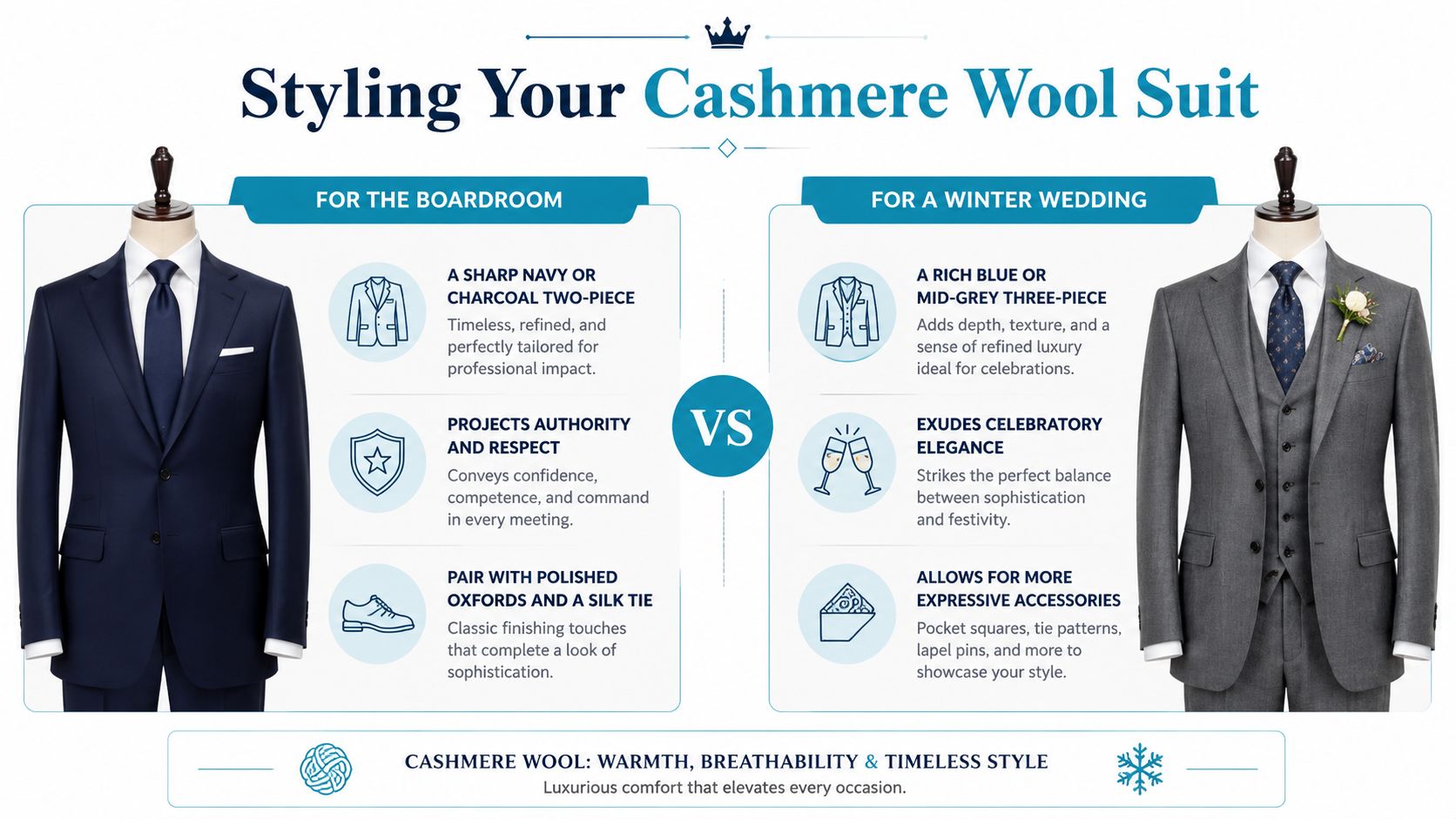
This adaptability is a testament to the fabric's unique character, effortlessly bridging the gap between professional gravitas and personal expression.
A well-chosen cashmere-wool blend is the intelligent choice for the discerning gentleman. It delivers an experience that is tangibly more luxurious than wool, yet more practical and resilient than pure cashmere, making it the ideal foundation for a versatile, high-performance bespoke suit.
This thoughtful combination results in a garment that is not only a genuine pleasure to wear but also a durable and stylish asset. World-renowned fabric mills have spent decades perfecting these blends. To understand the heritage behind such quality, you can learn more about Loro Piana fabric and its peerless reputation.
Protecting Your Investment: Cost and Care
A bespoke cashmere wool suit is an investment in your personal style, not merely a purchase. Like any fine asset, it requires a measure of thoughtful care to maintain its exquisite character and serve you impeccably for years, if not decades, to come.
Understanding the cost is the first step. Let's be clear: a suit crafted from a genuine cashmere-wool blend is not a bargain item. The price, with a quality two-piece starting from £1,495, is a direct reflection of the rarity of the fibres, the weaver’s artistry, and the countless hours of a master tailor’s labour. Think of it not as an expense, but as a down payment on unparalleled comfort, a flawless fit, and enduring quality.
The Essentials of Suit Longevity
To protect this investment, a few simple, non-negotiable habits are essential. Following them will dramatically extend the life of your garment, preserving its shape, luxurious texture, and drape. The goal is always to minimise wear and the need for professional cleaning, which, though sometimes necessary, is an intensive process for any natural fibre.
These simple rituals make all the difference:
- Rest Your Suit: Never wear the same suit two days running. Natural fibres need at least 24-48 hours to breathe, recover their shape, and shed wrinkles naturally.
- Use Proper Hangers: A flimsy wire hanger is the sworn enemy of a tailored shoulder. Always use a substantial, wide-shouldered wooden hanger that properly supports the suit’s structure.
- Brush After Wearing: After each wear, use a soft-bristled garment brush to gently whisk away the day's dust and debris. This simple act prevents dirt from settling into the fabric's delicate weave.
- Address Spills Immediately: Accidents happen. When they do, blot the spill gently with a clean, dry cloth. Never rub, as this will only drive the stain deeper into the fibres.
Professional Cleaning and Care
When it comes to professional cleaning, remember this: less is always more. You should only entrust your cashmere wool suit to a trusted dry cleaner, and only when it's absolutely necessary. Over-cleaning can strip the natural, protective oils from the wool and cashmere, leaving the fabric looking dull and feeling lifeless.
For a more detailed guide, we highly recommend reading our article on how often you should dry clean a suit.
By treating your bespoke suit with the respect it deserves—through proper storage, rotation, and cleaning—you are not just maintaining clothing. You are curating a cornerstone of your personal wardrobe that will serve you impeccably for years to come.
About the Author
At the heart of Dandylion Style is the founder and master tailor, Igor. His philosophy is one born of a deep appreciation for the enduring power of British tailoring, where timeless elegance and impeccable craftsmanship are not just aspirations, but fundamental principles.
For Igor, the journey of creating a suit—from a professional's daily armour to a groom's wedding attire—is a calm, considered process. It's a partnership rooted in honest guidance, ensuring each client discovers a style that is not only perfectly fitted but deeply personal. His work is a testament to the beauty of fine British fabrics, with a particular affinity for the robust character of tweed, the versatile nature of wool, and the unparalleled luxury of cashmere blends.
Every commission is approached as an opportunity to create a piece of wearable art—a garment that offers comfort, promises endurance, and provides a quiet, refined confidence. This dedication to the craft is the very essence of the Dandylion Style experience.
Frequently Asked Questions
Are cashmere wool suits a good investment?
Absolutely. A cashmere wool suit represents a wise investment in both comfort and longevity. The cashmere adds a level of softness and luxury that pure wool cannot match, while the wool component ensures the suit has the strength and structure needed to withstand regular wear. This blend creates a high-performance garment that holds its shape and character for years, making it a tangible upgrade for any discerning gentleman who values both quality and practicality in his wardrobe.
What is the ideal percentage of cashmere in a blend?
For a suit designed to balance luxury with everyday resilience, the sweet spot is typically between 5% and 15% cashmere. In this range, the fabric gains the unmistakable softness, warmth, and subtle lustre of cashmere without compromising the structural integrity and durability provided by the wool. Blends with a higher cashmere content become significantly more delicate and expensive, making them less suitable for a reliable, go-to suit and better reserved for more occasional, luxurious pieces like a sports jacket or overcoat.
Can you wear a cashmere wool suit year-round?
A cashmere wool suit is best suited for cooler climates, making it an excellent choice for autumn, winter, and brisk spring days. The natural insulating properties of cashmere provide exceptional warmth without adding bulk. While lighter blends exist, the fabric's inherent warmth generally makes it less comfortable during the peak of summer. For a true year-round wardrobe, a gentleman would be better served by complementing his cashmere wool suit with a lighter pure wool or a crisp linen or mohair blend for warmer months.
Why choose a cashmere wool suit for a wedding?
A cashmere wool suit is an exceptional choice for a wedding, especially an autumn or winter celebration. The fabric possesses a rich depth and a subtle, natural lustre that photographs beautifully, lending the groom an air of timeless elegance and quiet distinction. Beyond aesthetics, the luxurious softness and drape ensure total comfort from the ceremony through to the final dance. Unlike fabrics with an artificial sheen, the sophisticated character of a cashmere blend ensures your wedding attire is remembered for its impeccable quality and classic style.
Ready to discover the unique refinement of a garment made just for you? At Dandylion Style, Igor applies his master craftsmanship to create suits that are as personal as they are perfectly fitted. Book your consultation today and begin the journey toward building a truly exceptional wardrobe.